Air Canada Flight 143
A brand-new Boeing 767 runs out of fuel at 41,000 feet over central Canada — because someone multiplied by the wrong number. With no engines, no hydraulics, and half their instruments dark, the crew has seventeen minutes to find somewhere to put down a 132-tonne glider. The nearest runway is a decommissioned airfield where families are racing go-karts.
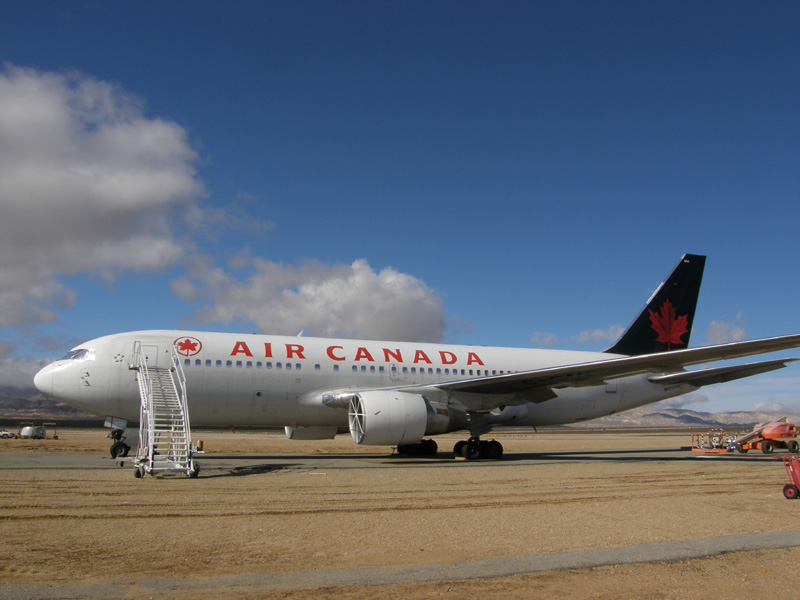
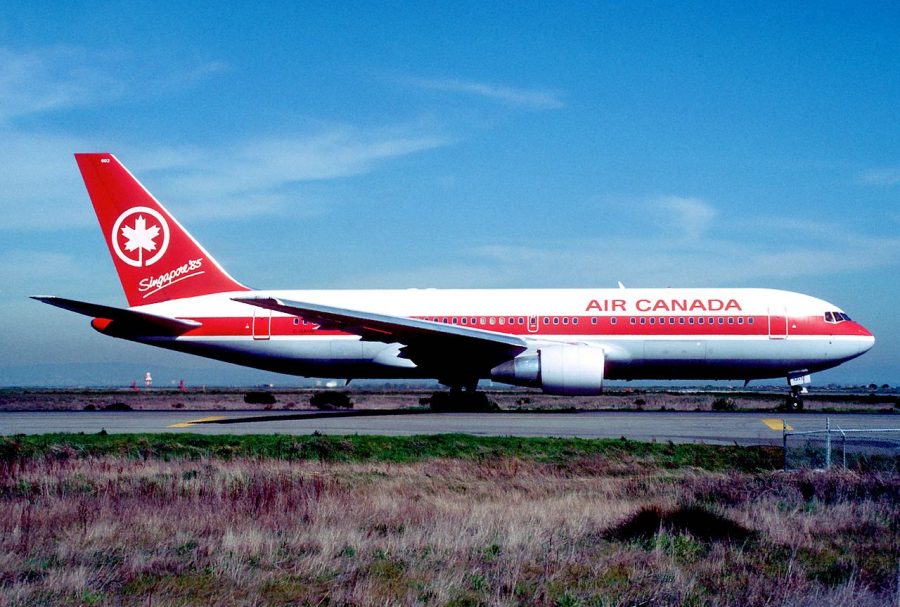
The aircraft at the centre of this story was four months old. Boeing 767-233, registration C-GAUN, manufacturer serial number 22520 — the 47th 767 off the Everett production line, delivered to Air Canada on 30 March 1983. It represented everything the airline wanted from the future: a widebody twinjet to replace ageing trijets and quadjets, with fuel efficiency, range, and a digital cockpit that made a flight engineer unnecessary for the first time in commercial widebody aviation.
The 767 was genuinely groundbreaking. It was the first airliner with an all-digital glass cockpit — an Electronic Flight Instrument System (EFIS) driven entirely by computers, replacing the banks of electromechanical dials that had defined flight decks for decades. It was the first aircraft certified for two-pilot crew operation in the widebody category, eliminating the flight engineer's position. And it would become the first airliner to receive Extended-range Twin-engine Operational Performance Standards (ETOPS) certification, proving that two engines were reliable enough for transoceanic routes.
That eliminated flight engineer position would prove critical. Historically, the flight engineer was responsible for monitoring aircraft systems, managing the fuel panel, and calculating fuel burn. When Air Canada retired the role, the airline failed to clearly reassign those fuel-checking responsibilities to the two remaining pilots. The Lockwood Board of Inquiry would later identify this omission as a systemic corporate deficiency that directly contributed to the disaster.
C-GAUN had a known, intermittent defect in its Fuel Quantity Indication System (FQIS). The 767's FQIS was a dual-channel digital processor: each channel independently computed the fuel load and cross-checked against the other. If one channel faulted, the system automatically switched to the functioning channel. But C-GAUN's FQIS had been misbehaving for weeks — processor faults logged in Edmonton on 5 July, San Francisco on 14 July, and Edmonton again on 22 July.
In the early hours of 23 July in Edmonton, technician Conrad Yaremko investigated the blank fuel gauges and found a reliable workaround: pulling the circuit breaker for the faulty Channel 2 allowed Channel 1 to take over, restoring full functionality. He tagged the breaker with yellow tape marked "inoperative" and logged the snag. Under Air Canada's Minimum Equipment List (MEL item 28-41-2), the aircraft was legally cleared for dispatch with one FQIS channel inoperative — provided the fuel load was physically confirmed using measuring sticks before each departure.
Later that day in Montreal, avionics technician Jean Ouellet entered the cockpit to investigate the logbook entry. Confused by the notation and unaware of Yaremko's specific workaround, Ouellet pushed the Channel 2 circuit breaker back in to run a self-test. At that exact moment, the fuel truck arrived. Ouellet left the cockpit to deal with the refuelling. He forgot to pull the breaker back out. With the faulty Channel 2 re-engaged, the FQIS processor failed entirely. Both cockpit fuel gauges went blank.
On the afternoon of 23 July, C-GAUN — four months old, bleeding-edge technology, broken fuel gauges — pushes back from the gate at Montreal-Dorval for a routine Saturday evening service to Edmonton. In the cockpit, Captain Bob Pearson and First Officer Maurice Quintal have done the fuel math by hand. The numbers look right. They are not.
To understand how a state-of-the-art airliner departed with less than half its required fuel, you have to understand the state of Canadian measurement in 1983. The country was in the middle of a protracted, politically fraught transition from Imperial to metric. Weather forecasts had switched to Celsius in 1975, road signs to kilometres in 1977, petrol pumps to litres in 1979. But implementation was uneven across industries, and by the early 1980s the whole enterprise had become a culture-war flashpoint.
Aviation was caught in a dangerous limbo. Fuel was sold by suppliers in metric litres. But the vast majority of Air Canada's fleet — the Douglas DC-9, Boeing 727, Boeing 747, Lockheed L-1011 — quantified fuel weight in Imperial pounds. The newly acquired 767s were the first aircraft in the fleet calibrated entirely for metric: their computers, gauges, load manifests, and manuals required fuel to be calculated in kilograms.
Air Canada had introduced a metric aircraft into a non-metric fleet, and the Lockwood Board of Inquiry would later condemn this as cultivating a lethal vulnerability to conversion errors. Five weeks before the Gimli incident, MP Stanley Hudecki had raised concerns in Parliament about Air Canada's inconsistent metric conversion. The warnings went unheeded.
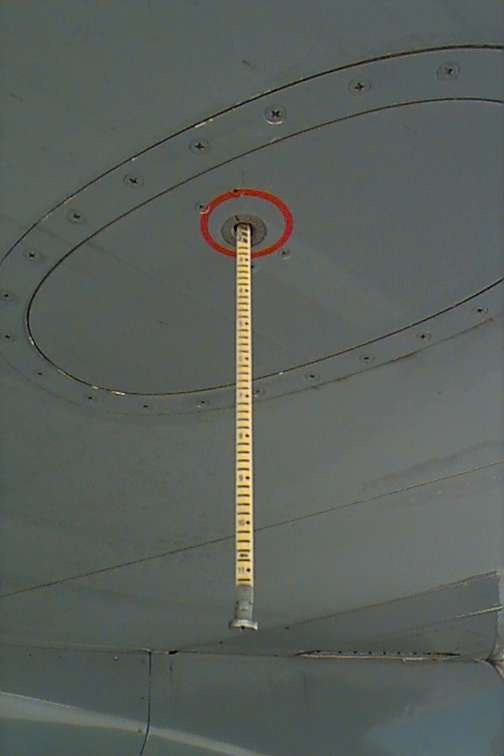
With the FQIS gauges blank, the crew and ground engineers had to verify the fuel load manually using dripsticks — mechanical measuring devices built into the underside of the wing tanks. A mechanic unlocks the stick from beneath the wing and allows it to drop until a magnetic float bobs on the fuel surface. The depth is read off the exposed portion of the stick. On the metric 767, the dripsticks read in centimetres, which are then converted to litres using a reference manual — the "blue book" — adjusted for the aircraft's tilt angle and fuel temperature.
In Montreal, ground engineer Rodrigue Bourbeau and technician Jean Ouellet performed the dripstick check. They measured fuel depths of 62 cm and 64 cm in the wing tanks, which the blue book indicated corresponded to 3,758 and 3,924 litres. The aircraft held a total volume of 7,682 litres.
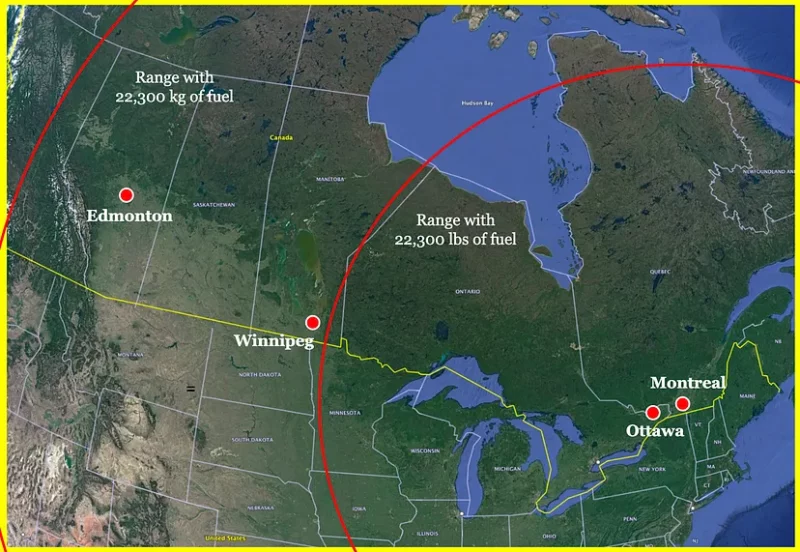
The flight plan required 22,300 kilograms of fuel to reach Edmonton with legal reserves. To work out how much more to load, they needed to convert the existing volume into mass. This requires multiplying by the fuel's density. First Officer Maurice Quintal asked the refueller for the conversion factor. The refueller provided the standard figure he used every day on every other aircraft in the fleet: 1.77.
That number was correct — for pounds. The Imperial specific weight of jet fuel is 1.77 pounds per litre. The metric density is 0.803 kilograms per litre. Because Air Canada had failed to train pilots or ground crews on the specific procedures for metric drip calculations, nobody in the chain recognised that multiplying by 1.77 yielded pounds, not kilograms.
They requested roughly 5,000 litres instead of 20,000. The aircraft departed Montreal with approximately 10,100 kilograms of fuel — less than half the amount required.
The error was masked by an extraordinary numerical coincidence, explicitly confirmed in the Lockwood Board of Inquiry report. The flight plan required 22,300 kilograms. Because of the density error, the aircraft was loaded with exactly 22,300 pounds. When Pearson and Quintal cross-checked the mathematics, the figure on their scratchpad matched the target perfectly. The number was right. The unit was wrong. And because it looked correct, no alarm was raised.
During the scheduled stopover in Ottawa, the crew requested another dripstick check to verify fuel burn. The Ottawa ground crew measured 11,430 litres in the tanks. First Officer Quintal repeated the identical error, this time using a specific weight of 1.78. He calculated 20,400 kg of fuel on board and entered it into the Flight Management Computer. In reality, the tanks held a mere 9,250 kg. Flight 143 departed Ottawa for Edmonton with its fate sealed.
"Air Canada neglected to assign clearly and specifically the responsibility for calculating the fuel load in an abnormal situation." — Justice George Lockwood, Board of Inquiry Final Report, 1985
The Board of Inquiry ruled explicitly that Flight 143 departing with blank fuel gauges was an "illegal dispatch contrary to the provisions of the Minimum Equipment List." The crew and maintenance personnel had developed what safety researchers call a normalisation of deviance — a dangerous pattern where repeated rule-bending becomes the accepted way of doing business.
What makes this story extraordinary isn't just what happened — it's the improbable convergence of people who were there when it did. Before we enter the cockpit, meet the names you need to know.
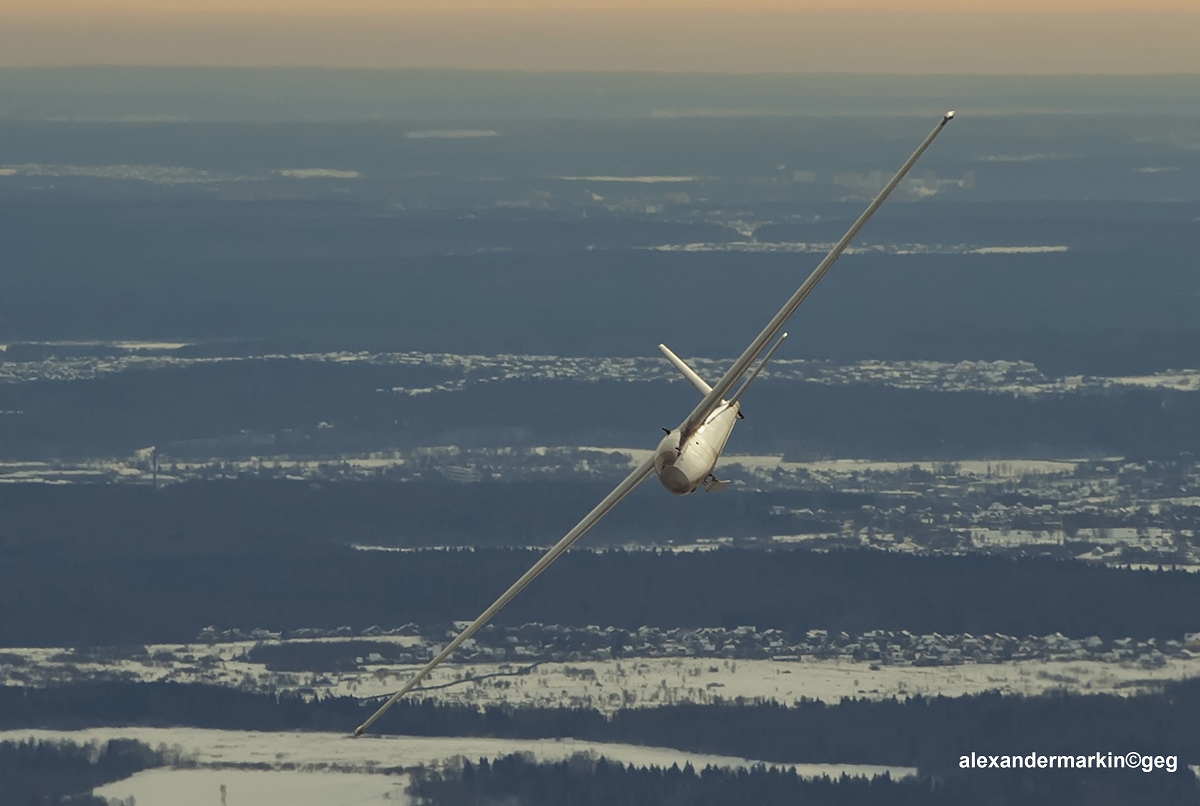
Captain Robert "Bob" Pearson, 48, commands the flight. Over 15,000 hours. On weekends, he flies something else entirely — a Blanik L-13 sailplane. He is a competition glider pilot.
First Officer Maurice Quintal, 36, sits in the right seat. Former Royal Canadian Air Force. In the 1970s, he was stationed at a military base in Manitoba — a place called Gimli.
Rick Dion is an off-duty Air Canada maintenance engineer travelling as a passenger with his wife Pearl and their three-year-old son. He knows the 767's systems intimately.
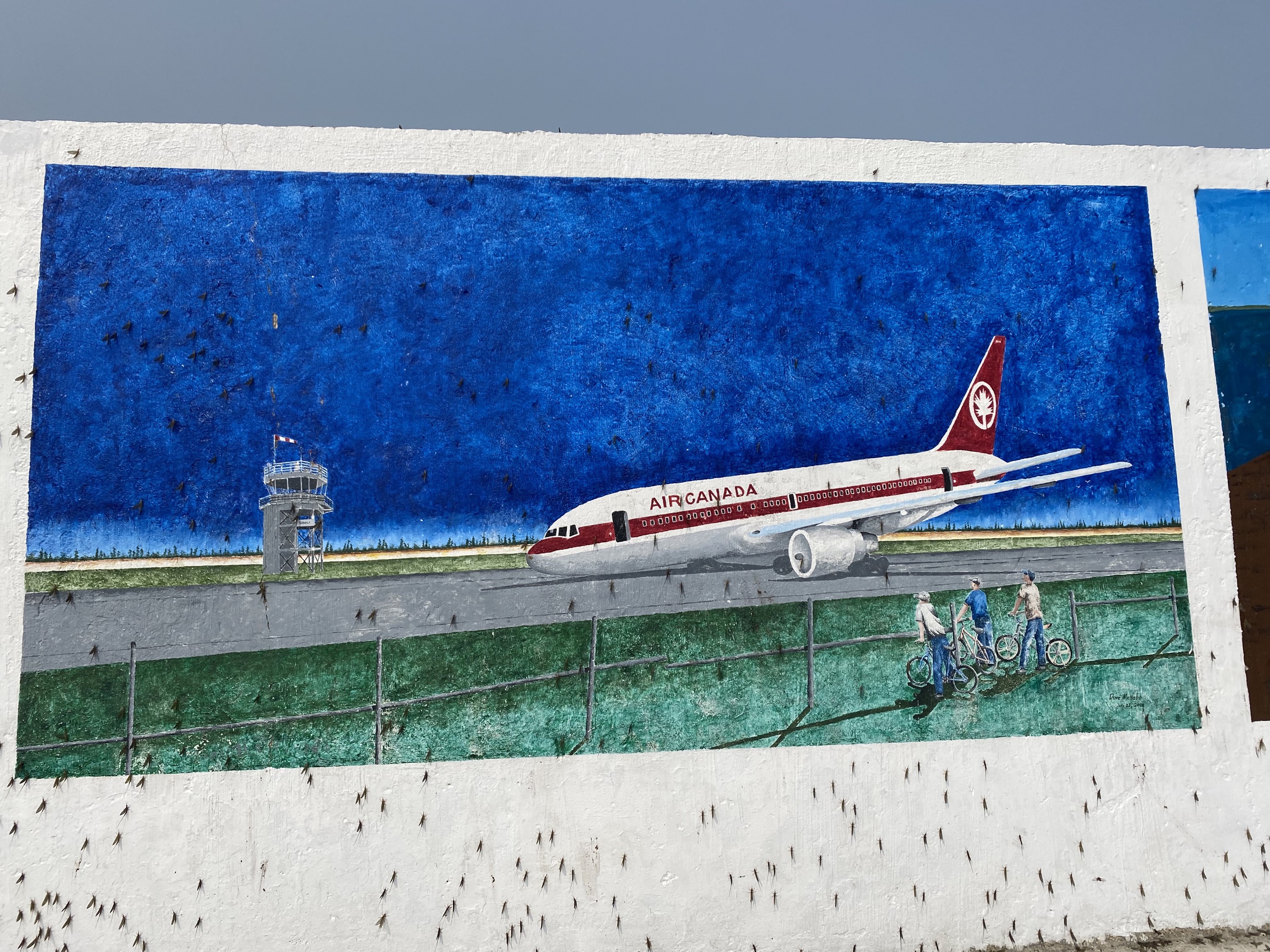
On the ground at the old Gimli airfield, Art Zuke, 14, is riding his bicycle down the centreline of a decommissioned runway. It is a Saturday evening in July. The Winnipeg Sports Car Club is hosting a Family Day event. Hundreds of people are scattered across the tarmac.
And in Montreal and Edmonton, two technicians have already set the chain of events in motion: Conrad Yaremko, who did everything right, and Jean Ouellet, who left the cockpit one step too soon.
Sixty-one passengers settle into their seats for what should be a routine Saturday evening service. Eight crew. Sixty-nine souls. In the cockpit, the fuel gauges are blank — two dark rectangles where the numbers should be. But the math checks out. Pearson and Quintal have done it by hand, twice. The Flight Management Computer says they have fuel to Edmonton with reserves to spare.
In row 19, Rick Dion — off-duty Air Canada maintenance engineer — is reading a newspaper beside his wife Pearl and their three-year-old son. It is an unremarkable flight.
Flight 143 pushes back from the gate at Montreal-Dorval. The leg to Ottawa is uneventful. During the scheduled stopover, First Officer Quintal requests another dripstick check — standard procedure with the FQIS inoperative. The Ottawa ground crew measures 11,430 litres. Quintal converts the figure using the density value he has always used: 1.78. He enters 20,400 "kg" into the FMC. The actual mass of fuel on board is 9,250 kg. The aircraft departs for Edmonton.
Cruising at 41,000 feet over the Canadian Shield, the EICAS sounds an audible chime. An amber warning light: low fuel pressure in the left wing fuel pump. Pearson and Quintal check the FMC. It shows thousands of kilograms remaining. They attribute the warning to a faulty pump — a nuisance alarm — and deactivate it.
The same amber light illuminates for the right engine. Two independent fuel pumps failing simultaneously is not a nuisance. Something is badly wrong. Pearson reaches for the radio.
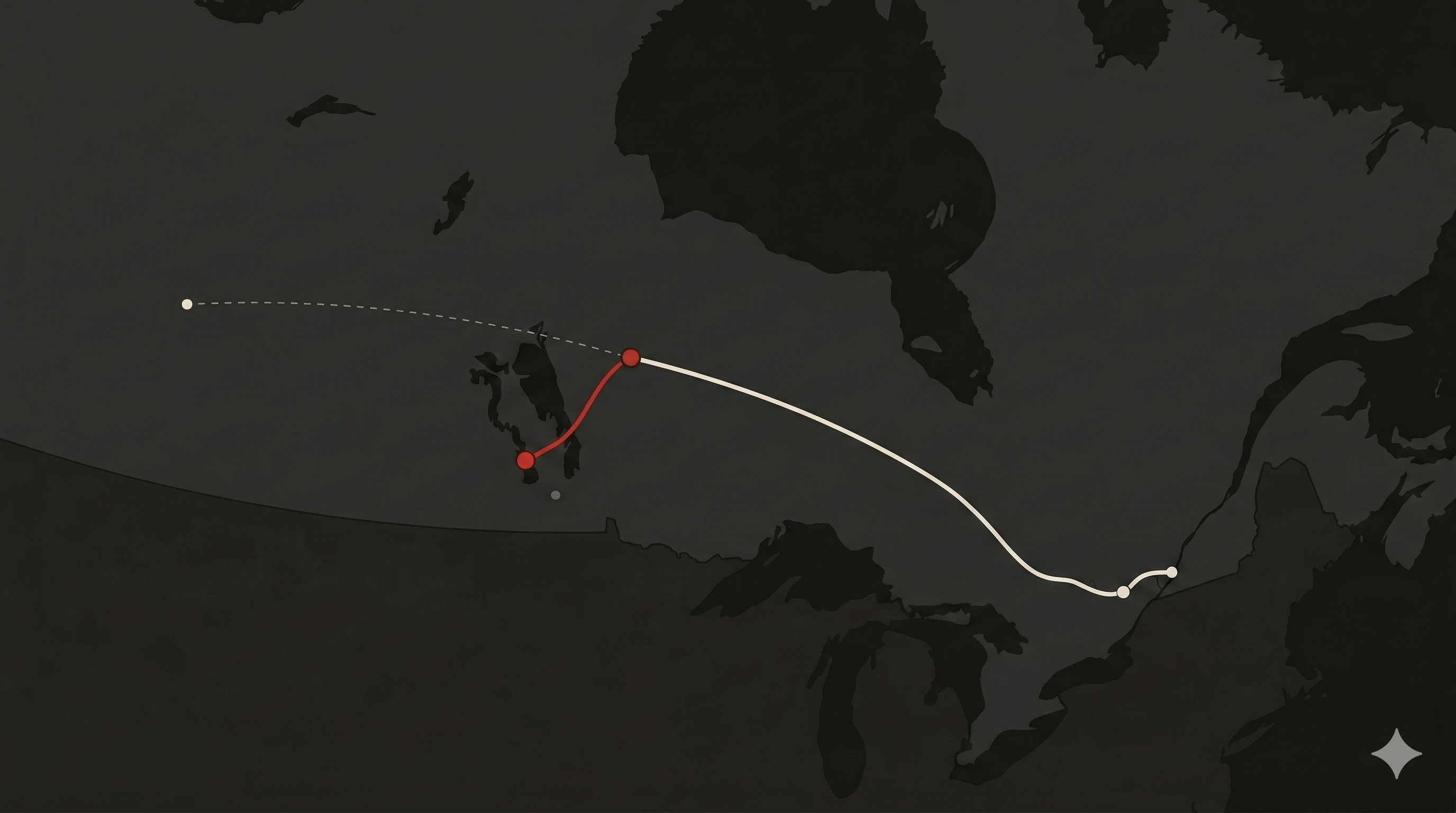
The left Pratt & Whitney JT9D starves and dies. The aircraft yaws. Pearson and Quintal run the single-engine failure checklist. They declare an emergency and begin descending toward Winnipeg, 65 nautical miles to the southwest. In the cabin, passengers feel the asymmetric thrust, the slight roll. The cabin crew exchange glances.
In the cabin, Rick Dion recognises the sound — or rather, the absence of it. One engine is gone. He unbuckles, tells Pearl to stay with their son, and makes his way to the cockpit. He identifies himself as an Air Canada maintenance engineer and asks if he can help. Pearson lets him onto the jumpseat. From here, Dion monitors instruments and calls out readings, freeing the pilots to fly.
The right engine dies. The cockpit goes dark. Every glass display — airspeed, altitude, navigation, engine instruments — blinks off. The EICAS sounds the "four-bong" chime: the highest-level alert, reserved for catastrophic failure. It means all engines out. In the cabin, the steady hum of the turbofans — the background noise passengers never notice until it stops — vanishes. What replaces it is wind. Just wind, rushing over the fuselage of a 132-tonne aircraft that is no longer powered.
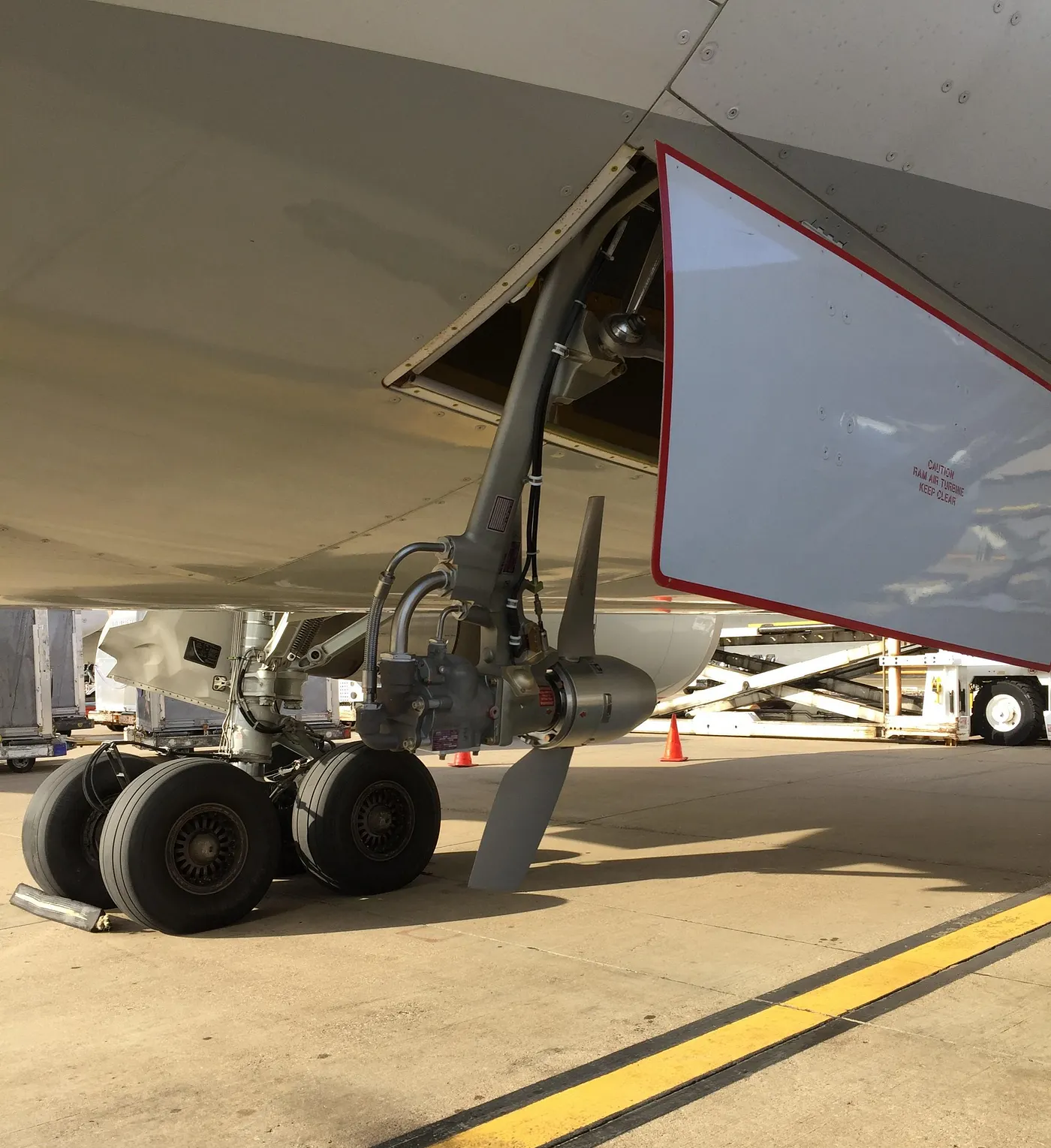
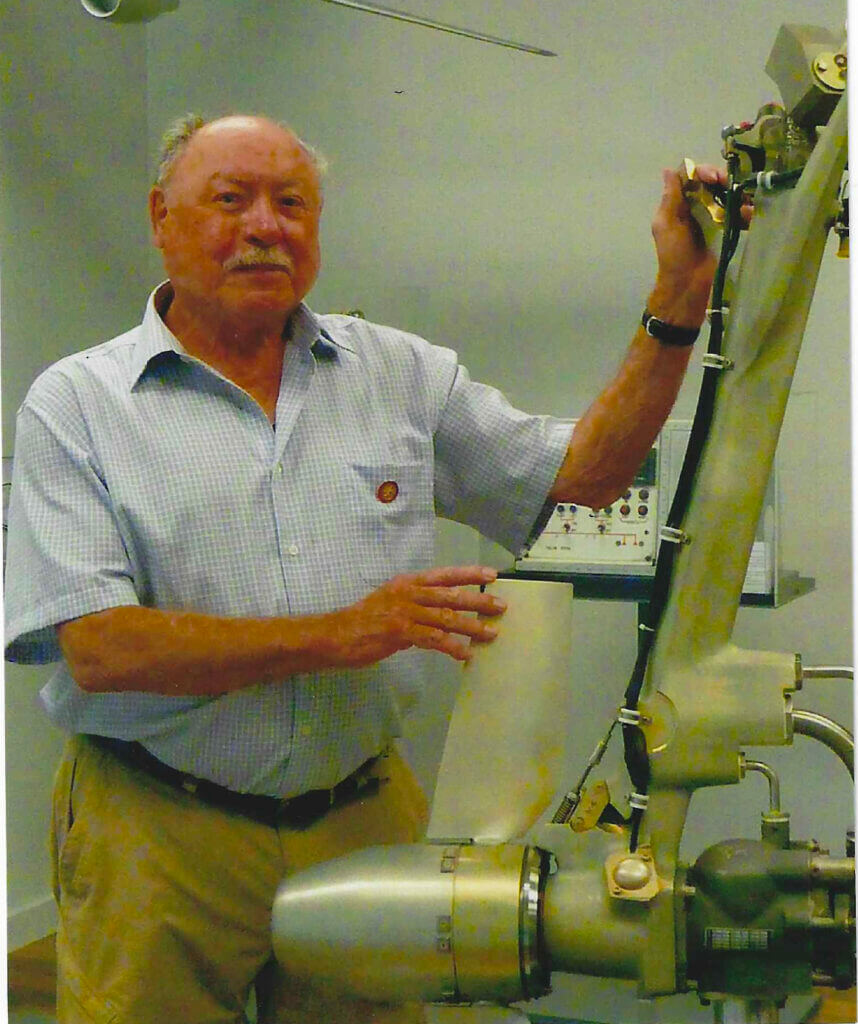
A small propeller swings down from the aircraft's belly into the slipstream. The RAT spins up, clawing back a fraction of electrical and hydraulic power — enough for standby analogue instruments and basic flight control. Not enough for flaps. Not enough for speed brakes. Not enough for anti-skid braking. Pearson now has a magnetic compass, an artificial horizon, an airspeed indicator, and an altimeter. That is all.
Pearson reaches for the emergency checklist. He flips to the section on all-engines-out procedures. There is no such section. Boeing never wrote one. There is no published optimum glide speed for an unpowered 767. Pearson, drawing on thousands of hours in gliders, estimates 220 knots and holds it. Nobody has ever had to guess this number before.
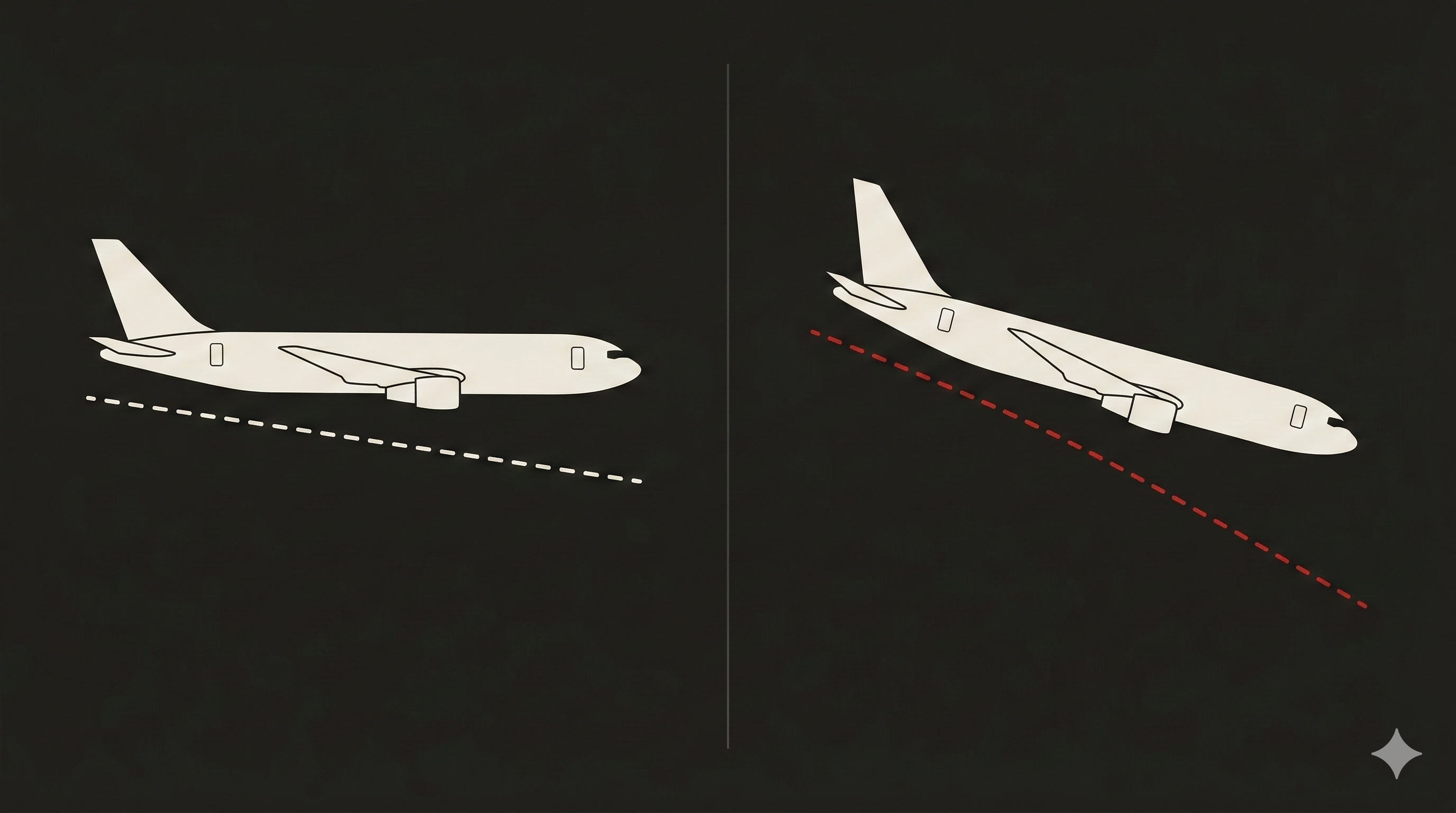
Winnipeg Air Traffic Control clears all traffic from the path of Flight 143. Controllers feed Pearson continuous distance and bearing updates to Winnipeg International. In the cockpit, Quintal scribbles numbers on his knee pad, cross-referencing altitude against distance. The math is brutal: they are losing 5,000 feet for every 10 nautical miles. An effective glide ratio of 12:1.
Quintal's numbers are unambiguous. At their current descent rate, Flight 143 will strike the ground 10 miles short of the Winnipeg runway. He looks up from the knee pad. They need an alternate. Now.
Quintal remembers a runway. He served at RCAF Station Gimli in the 1970s — long, hard-surfaced strips built for military jet training. It is 45 miles away instead of 65. The math works. Barely. Pearson turns the aircraft northwest. What neither he nor Quintal nor Winnipeg ATC knows is that the parallel runway has been decommissioned since 1971. The Winnipeg Sports Car Club has converted it into a drag strip. It is a Saturday evening in July, and the strip is packed with families, campers, parked cars, and teenagers on bicycles.
The cabin crew has prepared the passengers for an emergency landing. Oxygen masks have not deployed — the cabin is still pressurised, though it will not remain so without engine bleed air. The passengers sit in an eerie quiet. No engine noise. No air conditioning hum. Just the whistle of wind and the occasional creak of the airframe. Some pray. Some hold hands. Pearl Dion holds her son. In the cockpit, her husband watches the altimeter unwind.
The RAT is an emergency generator — a small propeller that drops into the airstream when the aircraft loses all engine power. On the 767, it provides roughly 5–10% of normal hydraulic and electrical capacity: enough to keep basic instruments alive and maintain direct control of the rudder, elevators, and ailerons. But it cannot power the systems that make a normal landing possible — flaps (to slow the approach), slats (to prevent stalling at low speed), speed brakes (to shed energy on descent), or anti-skid braking (to stop on the runway). Pearson is flying a 132-tonne glider with manual steering and no brakes.
As Flight 143 approaches Gimli in silence, Pearson faces a problem that should be impossible in commercial aviation: he is too high. Without engine power, he cannot go around for a second attempt. Without hydraulics, he cannot deploy flaps or slats to increase drag and reduce speed. The aircraft is approaching at 180 to 210 knots — the normal 767 approach speed is 130 to 150. He has excess altitude, excess speed, and exactly one chance.
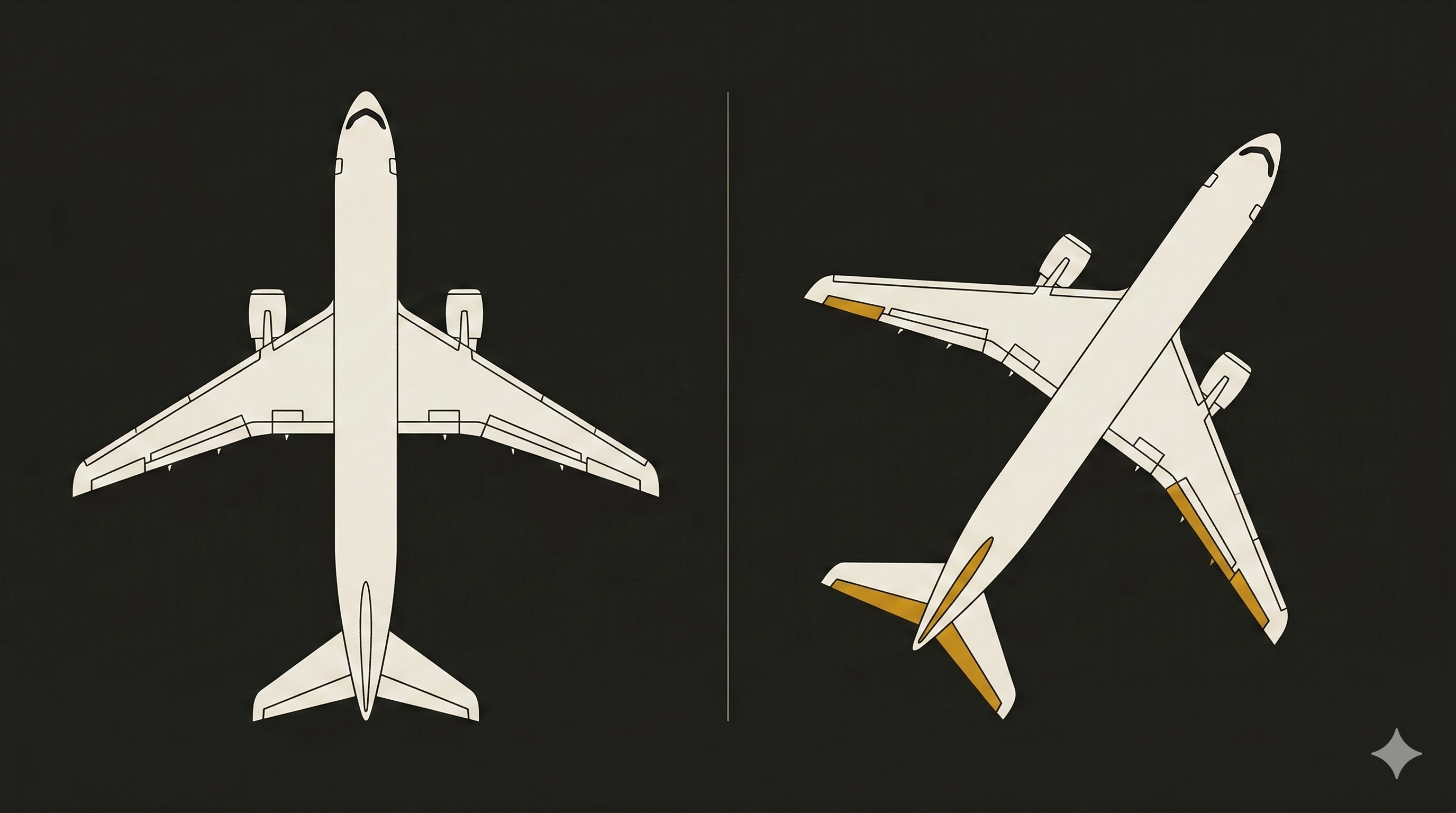
Pearson does something no airline pilot has ever done in a widebody jet. He executes a forward slip.
A forward slip is a cross-controlled manoeuvre. Heavy left rudder yaws the aircraft's nose away from the runway heading. Simultaneously, opposite right aileron banks the aircraft to counteract the turn. The result: the massive side profile of the 767's fuselage — over 48 metres of flat aluminium — is exposed broadside to the oncoming airstream. It acts as an enormous airbrake. The aircraft drops rapidly, shedding altitude without gaining speed, sliding sideways through the sky.
The manoeuvre is standard training for glider pilots and private pilots of light aircraft. It has never been attempted in a heavy, swept-wing commercial jet. Boeing had no guidance for it. No airline taught it. The physical force required to hold the slip against the RAT's limited hydraulic assist is enormous — Pearson is wrestling the yoke with everything he has. Passengers looking out the windows see the ground rushing up sideways.
"I could see the runway — we were way too high. There was no way to go around. I had to get the airplane down." — Captain Robert Pearson, AOPA Pilot Magazine, 2000
As the aircraft descends, the crew sees what Quintal couldn't have known. The runway is not empty. It is a Saturday evening in July, and the Winnipeg Sports Car Club is hosting a Family Day event. Tents, campers, and parked cars line the decommissioned strip. Hundreds of spectators are scattered across the tarmac. Teenagers are riding bicycles down the centreline — including 14-year-old Art Zuke, who looks up to see a Boeing 767 approaching in complete silence, crabbed sideways against the evening sky.
Pearson straightens the aircraft at the last possible moment. He must align the nose perfectly with the runway heading before the wheels touch — if the gear contacts the tarmac with any lateral load, the force will shear the landing gear off and the aircraft will cartwheel.
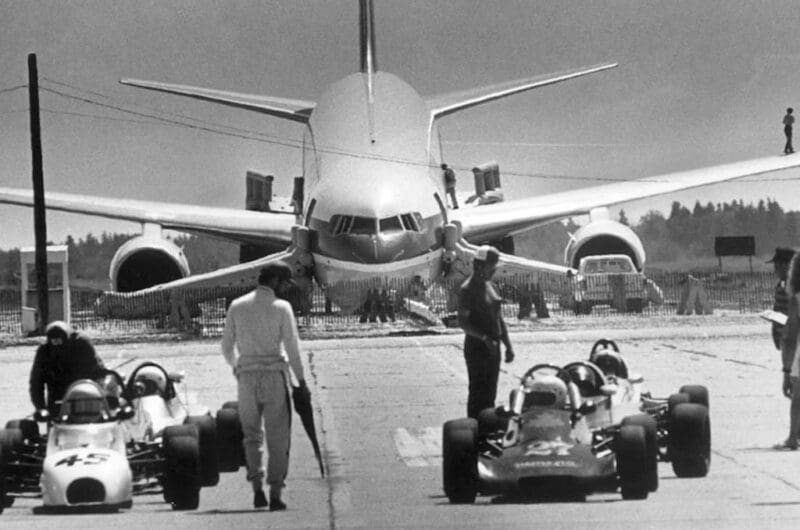
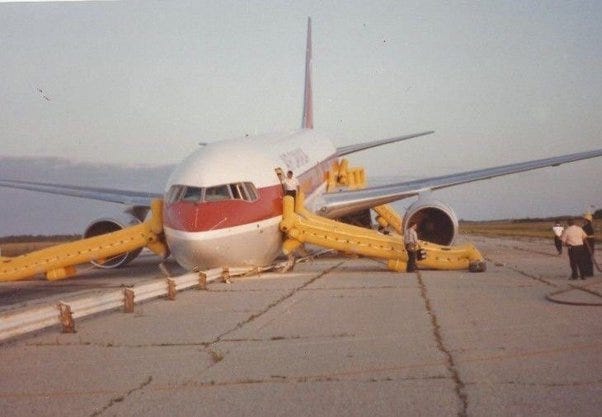
Flight 143 touches down 800 feet past the runway threshold. Pearson stamps on the manual brakes — the anti-skid system is dead — and immediately blows out two main tyres. Almost simultaneously, the nose gear, which deployed by gravity but failed to lock without hydraulic assist, collapses. The nose of the aircraft slams into the concrete.
The nose gear collapse, which should have been catastrophic, saves lives. The nose scraping along the runway generates immense friction. The main gear straddles a steel guardrail that runs down the centre of the drag strip, adding further drag. The 132-tonne aircraft decelerates from 180+ knots and grinds to a halt just 3,000 feet down the 6,800-foot runway — less than 100 feet from the fleeing spectators and campers.
Had the nose gear locked properly, the aircraft would have rolled far further. Without flaps, speed brakes, or functioning anti-skid brakes, there was nothing to slow it. The unintended friction of fuselage on concrete — combined with the guardrail straddled by the main gear — provided the critical deceleration that the disabled braking systems could not. A locked nose gear almost certainly means the aircraft overshoots the runway and ploughs into the crowd at the Gimli Motorsports Park.
There are no fatalities — not among the 69 on board, not among the hundreds on the ground. But the aircraft's orientation complicates the evacuation. With the nose gear collapsed and the main gear intact, the tail is pitched steeply into the air. The rear emergency slides hang at a near-vertical angle, too short to reach the ground properly. Passengers tumbling down the steep rear slides account for all 10 minor injuries.
Sparks from the scraping nose have ignited a small fire in the forward fuselage. Captain Pearson grabs a CO2 extinguisher from the flight deck and climbs down to fight the flames. Race marshals and course personnel sprint across the tarmac with handheld extinguishers from the drag strip. The fire is out before it can reach the passenger cabin. Local residents rally to aid the stranded passengers, offering water, blankets, and transport.
This was not just a skilled landing. It was an alignment of coincidences so improbable that removing any single one changes the outcome entirely. The Gimli Glider is a story about margins — and how impossibly thin they were.
A persistent claim in aviation forums, Reddit threads, and documentaries states that "all other pilots crashed when they tried to recreate the Gimli landing in simulators." This makes for a compelling story, but it doesn't hold up to scrutiny. There is no mention of formal simulator trials in the Lockwood Board of Inquiry report. The claim's traceable origin is the 1995 television movie Falling from the Sky: Flight 174, in which Captain Pearson himself made a cameo as a simulator instructor whose students all fail. That dramatised scene has been repeated as fact ever since. The truth is dramatic enough without embellishment.
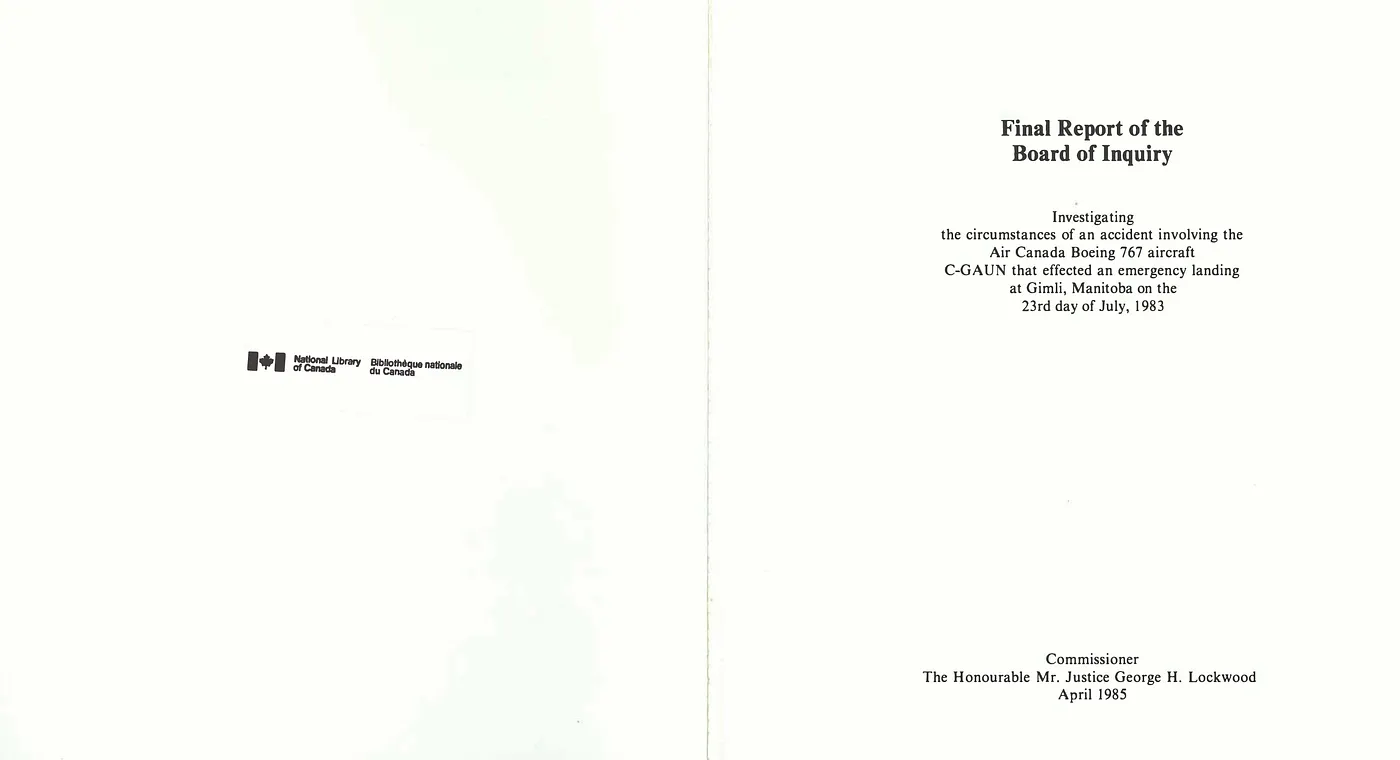
The Canadian government launched an immediate investigation. A common misconception — repeated in many secondary sources — is that this was a Canadian Aviation Safety Board (CASB) investigation. It was not. The CASB was still in its legislative infancy in 1983. Instead, Transport Minister Lloyd Axworthy invoked Section 8 of the Aeronautics Act to appoint a formal Board of Inquiry, designating the Honourable Mr Justice George H. Lockwood as sole commissioner.
The Lockwood Report, published in April 1985, determined that the accident was not the fault of any single individual but rather a cascading failure of corporate management, inadequate training, and flawed procedures.
Before the inquiry concluded, Air Canada took swift punitive action in October 1983. Captain Pearson was demoted for six months. First Officer Quintal was suspended for two weeks. Three ground maintenance workers were suspended. When the Lockwood Report was published eighteen months later — distributing blame systemically across the corporation rather than pinning it on the crew — the pilots were vindicated.
The report triggered sweeping reforms. Transport Canada mandated stricter oversight of metrication policies across Canadian aviation. Air Canada revised its MEL and training procedures. Boeing permanently removed the ambiguous term "specific gravity" from fuelling forms, replacing it with explicit density metrics in labelled units. The flight engineer's former fuel-checking responsibilities were formally reassigned.
In 1985, the Fédération Aéronautique Internationale (FAI) awarded Pearson and Quintal the Diploma for Outstanding Airmanship — a rare and prestigious honour reserved for feats of piloting that result in the saving of lives. While sometimes reported as "the first time" this award was given, the FAI has awarded it to various aviators over the years; its rarity, not its novelty, is the point.
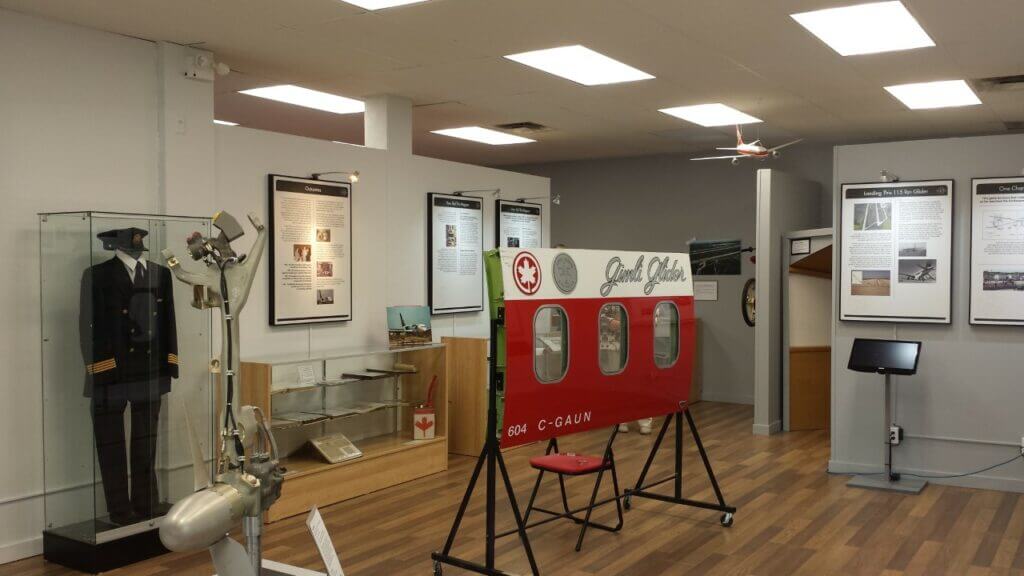
The Gimli Glider Exhibit museum opened in 2017 in Gimli, Manitoba, housing artifacts including the aircraft's original RAT, passenger seats, and underwing fuelling stations. In 2025, the museum acquired the original flight deck of C-GAUN from the Mojave boneyard and transported it back to Manitoba — returning the cockpit that Pearson and Quintal fought to control to the place where they brought it to earth.
C-GAUN suffered surprisingly little structural damage. It was patched on the Gimli tarmac and flown to Winnipeg two days later for comprehensive repairs. The "Gimli Glider" then returned to regular service and flew for another 25 years, accumulating 76,531 flight hours across 29,606 cycles.
Its final revenue flight operated on 1 January 2008. On 24 January, C-GAUN made a ceremonial ferry flight to the Mojave Air and Space Port in California, with original crew members Captain Robert Pearson, First Officer Maurice Quintal, and several flight attendants from the 1983 incident aboard. The aircraft sat in the Mojave boneyard until it was dismantled between 2014 and 2017.
In 1989, authors William and Marilyn Hoffer published Freefall: A True Story, an exhaustively detailed account of the incident. While generally considered reliable and deeply researched, it features the dramatised narrative style typical of non-fiction thrillers. In 1995, the book was adapted into the television movie Falling from the Sky: Flight 174, starring William Devane — the same film whose simulator scene spawned the enduring myth about other pilots failing to recreate the landing.
The incident has been featured on the television series Mayday (known internationally as Air Crash Investigation), covered extensively by the CBC, and remains a cornerstone case study in aviation safety, crew resource management, and the perils of complex sociotechnical systems.
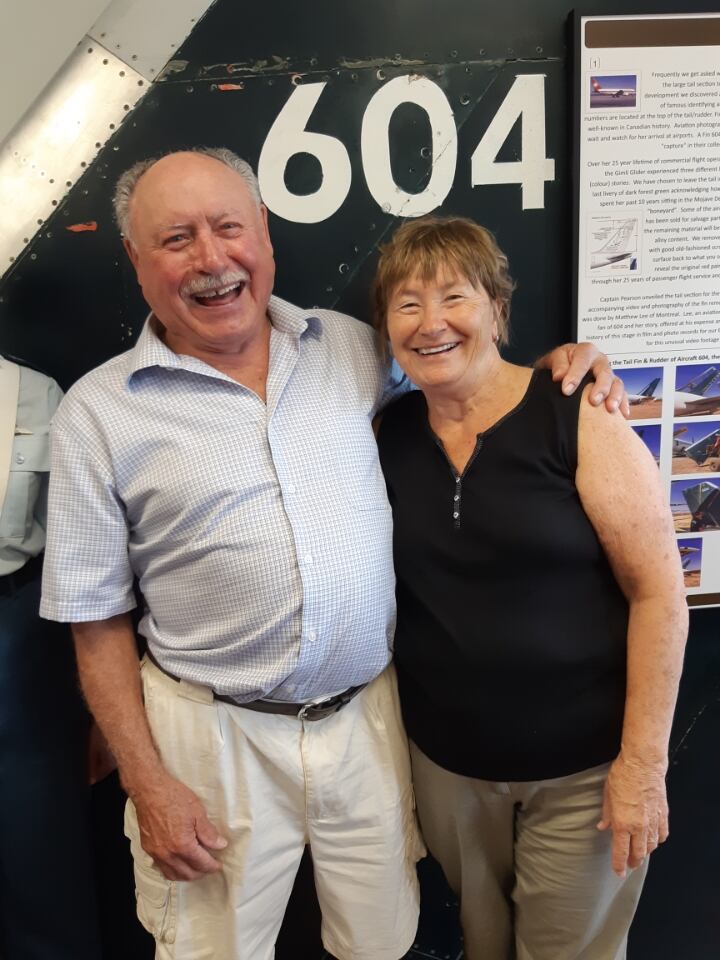
In 2013, at the 30th anniversary event at Gimli, Pearl Dion — the passenger who held her three-year-old son while her husband helped fly the plane — reconnected with Captain Pearson. Rick Dion had passed away in 2009. Pearl and Bob became partners. They have been together since.
"It's a happy story. Nobody died. That's the thing people forget — 69 people got on a plane and 69 people got off." — Pearl Dion, CBC News, 2023
You've met them through the story. Here's who they were, and what happened next.
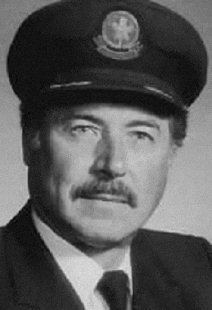
Age 48 at the time. Over 15,000 flight hours. Competition glider pilot who co-owned a Blanik L-13 sailplane — the hobby that gave him the forward slip instinct that saved 69 lives. Briefly demoted for six months after the incident; fully exonerated by the Lockwood inquiry. Later flew 747s for Asiana Airlines. Retired to an Ontario hobby farm. Alive as of 2025, age 90.
Age 36. Former RCAF pilot stationed at Gimli — the memory that gave them somewhere to land. Calculated the glide ratio that proved Winnipeg was unreachable. Suspended two weeks, later exonerated and promoted to Captain. Retired 2007. Died 24 September 2015, age 68, in Saint-Donat, Quebec.
Passenger travelling with his wife Pearl and their three-year-old son. Left his family when the first engine died, went to the cockpit, identified himself, and spent the rest of the descent on the jumpseat — monitoring instruments and calling out readings so Pearson and Quintal could focus on flying. Passed away in 2009.
Held her three-year-old son through the silent glide while her husband helped in the cockpit. Reconnected with Captain Pearson at the 30th anniversary event in 2013. They became partners and remain together as of 2025. Her quote — "69 people got on a plane and 69 people got off" — is the best summary anyone has managed.
Age 31. The one person in the chain who did everything right. Correctly diagnosed the FQIS fault, implemented a clean workaround, tagged the breaker, logged the snag, used the correct metric conversion. Exonerated by the Lockwood inquiry.
Pushed the FQIS circuit breaker back in for a self-test. Was called away by the fuel truck. Forgot to pull it out. That single forgotten step left both fuel gauges blank and set the entire chain in motion. Suspended by Air Canada.
Performed the dripstick readings and density calculation alongside Quintal. Used the Imperial factor of 1.77 — the number he used every day on every other aircraft in the fleet. Suspended by Air Canada pending inquiry results.
Fourteen years old. Riding his bicycle down the centreline of the drag strip when a 767 appeared in silence, "flying sideways and cockeyed." Narrowly avoided being struck. Has participated in anniversary events ever since, most recently the 40th in 2023.
All major claims in this article are sourced. Where sources conflict, the discrepancy is noted in the text. The Lockwood Board of Inquiry report is treated as the primary authority.
Aftermath photos: Sam Chui collection, Wayne Glowacki / Winnipeg Free Press, Sierra Hotel Aeronautics, CBC. Aircraft in service: Aero Icarus (CC BY-SA 2.0), Akradecki (Wikimedia Commons). People: Gimli Glider Exhibit, Pearl Dion / CBC. Museum: Gimli Glider Exhibit. Anniversary: Global News. Maps: Sam Chui, AirlineGeeks. Blanik L-13 in flight: Aleksandr Markin (CC BY-SA 2.0, Wikimedia Commons). Ram Air Turbine: Admiral Cloudberg / Medium. 757 RAT: Swampfoot (public domain, Wikimedia Commons). Dripstick: b737.org.uk. Lockwood Report: National Library of Canada. Diagrams: generated via Gemini, annotated with SVG.