Deep dives into history's most fascinating disasters
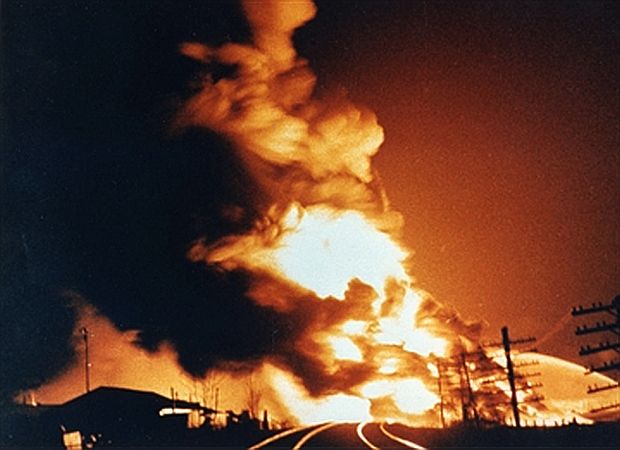
A freight train carrying chlorine and propane derailed in suburban Ontario. A toxic gas cloud threatened a quarter-million people. They evacuated an entire city in hours. Nobody died.
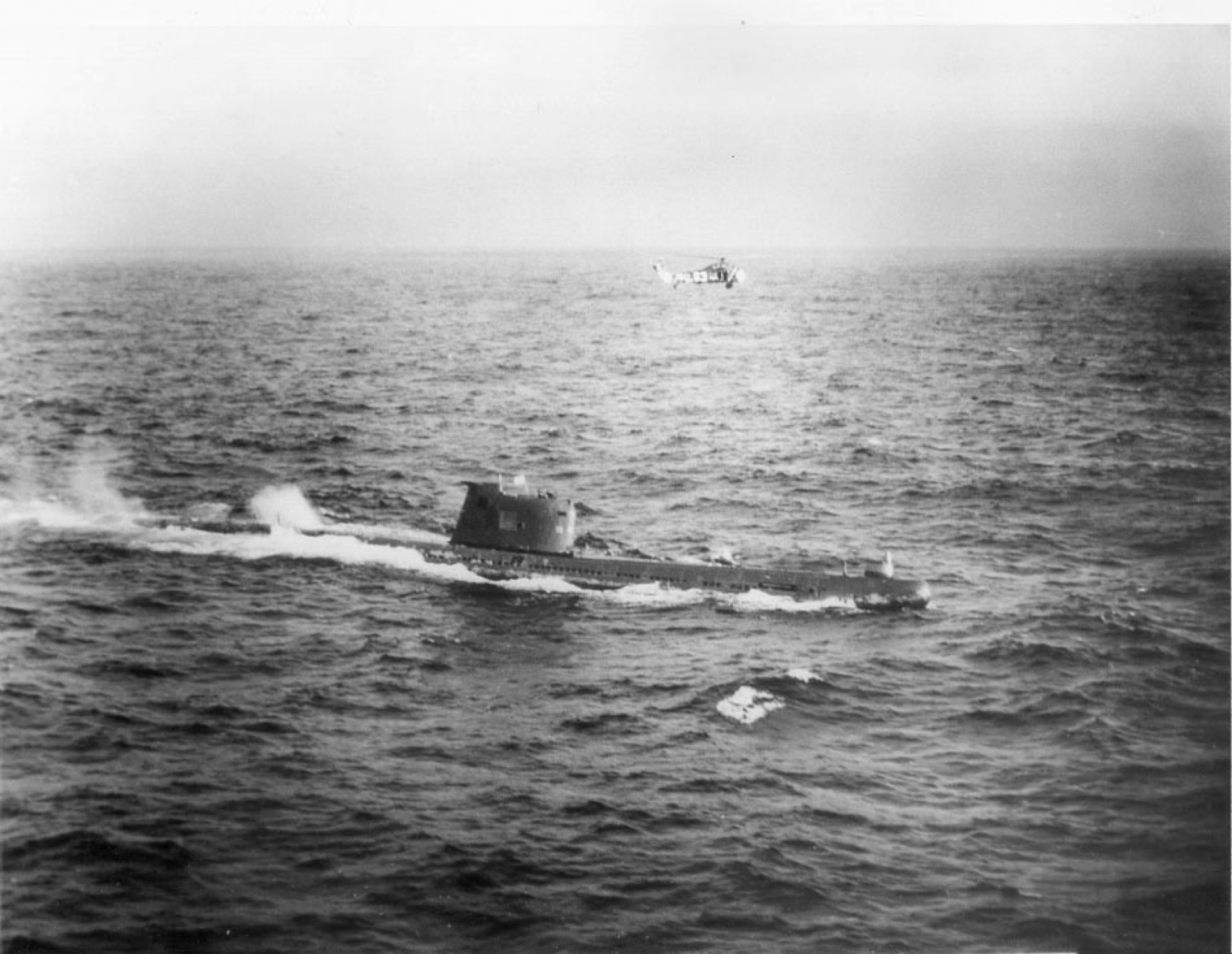
Cuban Missile Crisis. A Soviet submarine was being depth-charged. Two officers voted to launch a nuclear torpedo. The third said no. The world continued.
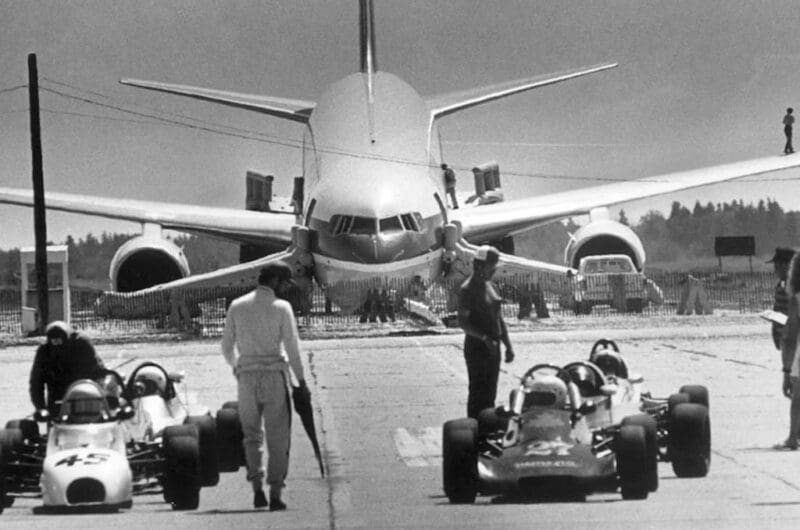
Air Canada Flight 143 ran out of fuel at 41,000 feet. A metric conversion error, a decommissioned runway, and two pilots who glided a Boeing 767 to safety. Everyone survived.
Vote for the stories you want to see. Tap the heart.
A 747 flew into volcanic ash at night. All four engines died over the Indian Ocean. The captain announced: "We have a small problem." They glided for 16 minutes, restarted the engines, and landed through sandblasted windscreens they could barely see through.
A DC-10 lost all hydraulics over Iowa. The crew had zero flight controls. An off-duty pilot joined the cockpit and they invented a new way to steer — using only engine thrust. Simulators later said no one should have survived. 185 of 296 did.
A Soviet early-warning officer saw five American nuclear missiles on his screen. Protocol said: report it. He didn't. It was a sensor glitch caused by sunlight on clouds. One man's judgment call may have prevented nuclear war.
Cuban Missile Crisis. A Soviet submarine was being depth-charged. Two officers voted to launch a nuclear torpedo. The third — Arkhipov — said no. Launch required unanimity. He held his ground. The world continued.
Eighteen feet of fuselage roof ripped off a Boeing 737 at 24,000 feet. Passengers could see the sky. One flight attendant was lost. The pilots landed what was left of the aircraft. The failure changed aviation maintenance forever.
A stuck valve, misleading instruments, and a series of operator errors caused a partial meltdown in Pennsylvania. The reactor core was damaged. The containment held. Nobody died. It changed nuclear regulation worldwide.
33 miners trapped 700 metres underground for 69 days. The rescue required drilling a new shaft through solid rock and building a capsule from scratch. All 33 came out alive.